In the Everything DiSC model, the CS style reflects a thoughtful, dependable approach that blends Conscientiousness (C) and Steadiness (S) to focus on accuracy, stability, and consistent performance. A CS (Conscientiousness/Steadiness) personality type is characterized by a drive for accuracy, structure, and dependability. They make sure everything is done the right way, to a high standard, and consistently. Unlike a pure C (Conscientious) type, who is purely analytical, a CS is also Steady, valuing stability and teamwork more, which makes them more collaborative, loyal, and people-oriented without compromising standards. CS individuals are reliable, detail-focused, and risk-averse decision-makers, but they can also be perfectionist, overanalyzing and too cautious to take risks.
They seek to minimize risk and exposure and create secure, predictable environments. They are ideal in roles that require a long-term, precise focus, dependability, and stability, like quality control, project management, or administrative support, but they may not always be the most innovative. Let’s explore the CS style in more detail, from its defining characteristics and motivations to how it contributes to the workplace.

Blend of C and S
The CS style in the Everything DiSC model combines the analytical, quality-focused, and methodical traits of Conscientiousness (C) with the patient, calm, and people-oriented attributes of Steadiness (S). This creates individuals who are careful, self-controlled, and moderate, and who excel at following through on projects to the highest standards while maintaining a slow, steady pace. They approach tasks with a “need for stability,” which means minimizing surprises and keeping routines predictable to feel in control. For instance, a CS analyst might triple-check their data review process and prefer old, familiar methods to ensure nothing changes and no errors are made. According to Everything DiSC, they gain from inertia—once they are set in motion, they do reliable, steady work—so they can struggle to change direction. They dislike taking immediate action when it’s not needed, since they prefer the devil they know rather than to open themselves up to an unforeseen risk.
Core Needs: Stability, Low Exposure, and Beyond Reproach
The CS style has three core psychological needs: Stability, Low Risk Exposure, and Being Beyond Reproach. Stability means they have an even pace, with few disruptions or surprises, in which they can predict the challenges. Low Exposure is a need to avoid social or professional risks like embarrassment or blame, so they may take a backseat or a low-key role. Being beyond reproach is a need for their actions to be justifiable to protect against recrimination. As a result, they form comfort zones in which there is a dependable routine, and they use up their energy not to be bored, but to try and pre-empt problems. In comparison to the more dynamic styles at the top of the DiSC map, CS types do less exploration and seek more security.
Reliable, Detail-Focused “Let’s Get It Right”
CS types are reliable and pay great attention to detail. They obey rules as they are a defense against blame, so they check and double check their work and are precise to feel their work is correct. This can also lead to perfectionism, so they may overanalyze, take too long to make decisions or even experience decision gridlock. A CS administrator may follow every step in every policy and produce reports with very few faults. They are often rated highly by bosses and colleagues in composure, diplomacy, and receptivity as they can stay calm under pressure and do not get worked up, but it can also show up as being controlling and stubborn. Being modest and unassuming is their way of avoiding garishness or drawing too much attention to themselves, as a CS works hard but does not want to make a song and dance about it, which fits with their need for low exposure. This low profile can have the downside of them not being recognized enough for their contributions.
Careful Decision-Makers “Minimize the Risks”
CS types are careful decision-makers, who minimize the risks and consistently make safe choices. They avoid tasks where the potential for failure is great. Their work style is consistent and long-tenured. Their reliability and consistency make them suited for long-term, stable roles, where they provide a solid and predictable contribution to the team. CS types are a grounded counterbalance to more impulsive styles, providing a voice of caution and practicality to balance out new, untested ideas. They can struggle to support change or unusual actions because they do not want to take the risk. Everything DiSC puts it this way: “For the CS, it’s the devil they know vs. possible risk.” The drawback of this is that they can become stuck and fail to adapt or grow.
Potential Challenges: Perfectionism and Overanalyzing
CS strengths can support quality, but perfectionism and overanalyzing can backfire as they become paralyzed by a vague sense of anxiety or feel the need to re-check everything. Creativity can be stifled by their need for certainty and fear of criticism, so they put up an emotional “tough-minded” defense to avoid showing any vulnerability and their performance becomes less than their potential. In contrast to the opposite style, which thrives on a certain amount of restlessness to grow, CS types find it hard to accept that some level of vulnerability is necessary for human functioning. CS types are often self-effacing and do not promote themselves, seeing this as “garish” or showy, and they may not always get the credit they deserve for their contributions to a team. In terms of emotional processing, they tend to deal with feelings like hurt directly, which can give them a clearer head, but left unprocessed it can cause them to be emotionally overloaded.
Maximizing CS Impact
CS individuals are a joy to have on a team because of their precision, reliability, and loyalty, but they should open up to some calculated risks to step out of their comfort zones. Colleagues and team leaders can maximize CS effectiveness by valuing their commitment to ensuring nothing is missed and by recognizing the value of initiative in a diverse team. For CS types, this creates an opportunity to grow and build self-awareness around their strengths. Everyone benefits from their dependability, but others also benefit from their consistency.
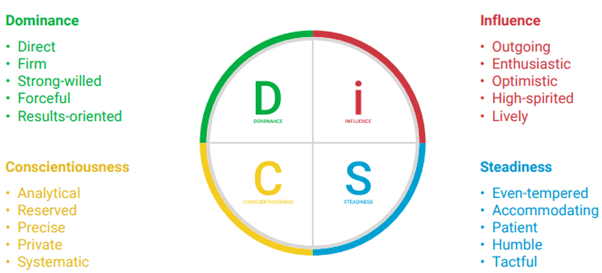
Everything Disc CS style fuses the analytical and the steady
The Everything Disc CS style fuses the analytical and the steady, creating precise, reliable thinkers who value quality and stability. By confronting some of their challenges like perfectionism, CS types can maximize their role as the dependable anchor of a group. With this introduction to the CS style, we’ve begun to see the many dimensions of this important personality style and their place in a successful organization.