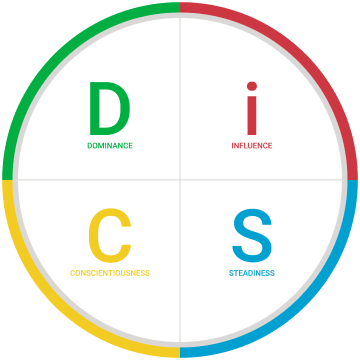
Imagine a style that radiates accuracy, order, and security. The Everything DiSC definition of the CS style, a blend of Conscientiousness and Steadiness, is known for anchoring teams with precision and reliability. It’s often associated with the Inspector personality. Why does the CS style operate with such emphasis on dependability? Simply put, CS personalities value precision and work from an internal desire to do things accurately and well. To go deeper, we can examine the basic psychological needs of CS individuals and, in turn, how these create real value in their roles. But first, we must take a look at the underlying drivers of CS types.
CS personalities have several core drivers: clear guidelines & expectations, a steady, thoughtful pace, a secure role, respect for their expertise, and logical, well-organized processes.
Accuracy, Order & Security: “I don’t want to make a mistake and get blamed.”
CS types want clear guidelines and expectations when completing their work to avoid mistakes and blame. They like to work in predictable ways, and having a plan for how to execute their work is a real motivator for CS types. A CS project coordinator may be given a detailed checklist of activities, with each item corresponding to a standard that must be met, providing the assurance that they will not overlook something.
This tends to give CS individuals the comfort of reduced risk. The challenge, of course, is that CS individuals can rely too heavily on guidelines and expectations defined for them, which can limit their flexibility and creativity. CS types can work on being more proactive about asking clarifying questions, while colleagues can work on being precise and detailed in briefings and directives in order to enable CS types to work with confidence and precision.
Steady, Thoughtful Pace: “Rushed work just stresses me out”
Working at a steady, thoughtful pace and not being rushed or having to work in chaotic or unstable situations is a key driver for CS types. High Steadiness means that they prefer to focus on tasks and problems and are most effective when they can do so without feeling pressure or fear. A CS analyst may need several days to methodically work through a large data set to find and report exceptions, not because they cannot work faster but because they need to double-check their work for accuracy and would not feel comfortable if forced to do it under time pressure.
CS types can build internal deadlines and objectives into their work to balance this out, while colleagues can help by building phased timelines into work plans to maintain their natural, steady rhythm while still driving forward.
Secure Role: “Change throws me off my game”
Feeling secure in their role strongly drives CS types. They are so low on energy and flexibility (DISC) that sudden change or uncertainty, which causes high-energy types to see opportunity, throws them off their game, and they will make every effort to push back against it until they can see the challenges clearly and predictably, and feel as though they have minimal exposure to risk.
A CS administrator may perform very well in a department that is operating smoothly but struggle to adapt if they are suddenly forced to report to a new group with a completely different manager. While this helps them remain stable and predictable performers, it can limit their capacity to adapt. CS types can take steps to be more open to change and seek support to help them adapt when change is inevitable, while colleagues can reassure them and help smooth transitions.
Respected for Expertise: “No one should have to redo my work”
Being respected for their expertise is an important driver for CS personalities. As high Conscientiousness types, they are deeply proud of the high standards of their work, and they want others to reflect that in how they perceive them. However, this need for respect in a low-profile style usually does not manifest as CS types loudly seeking recognition or attention. Instead, they want to be seen as competent and may take deep satisfaction in having their work recognized by a peer who has discovered a report they have prepared contains no exceptions.
However, CS types may be so humble that they will underplay their contributions. CS types can take steps to be more open about their contributions when they occur, like taking the time to talk through an example, as with “This process has worked well.” Coworkers can help CS types get credit for their work by offering specific, detailed praise and recognition.

Logical, Well-Organized Processes: “Structure makes sense”
Logical, well-organized processes are another key driver for CS types, because they function best when everything they need to do makes logical sense, and they have a clear structure to follow. Their desire to do things perfectly so no one can find fault with them or point out a mistake drives their need for complete, well-organized processes. A CS planner may develop an affinity for work processes that break large tasks into well-defined, clearly articulated steps, and they will likely thrive in an orderly environment.
This can give them a great strength in systems design and review as they find ways to prevent human errors, but on the downside, it can make them stumble when things fall outside of these well-defined boundaries. CS individuals can create structure for themselves in situations that appear to lack one, while others can help CS types by providing the organizational framework they need to excel.
Pride in Dependability: “Accuracy is my strength”
CS types may not want to be the center of attention or work in high-energy, constantly interacting environments, but they take great pride in being dependable, accurate, and thoughtful in their work. This low-key approach allows CS types to let their work speak for itself, and as a result, they are trusted through steady effort, and this builds tenure, which Everything DiSC cites as a strength for CS styles. The problem is that this drive to be a quiet rock on a team can trap CS individuals in jobs they find unsatisfying but cannot imagine leaving. Taking steps to balance their pride with a willingness to take some risk and step out of their comfort zone can multiply the impact they make.
Motivated by accuracy, order, security, respect, and structure
The CS style is motivated by accuracy, order, security, respect, and structure, making them reliable anchors who excel at precision work. With a bit of flexibility, they can dramatically increase their value, and others can help by providing clarity and appreciation in return. Check back for Part 2, where we will discuss how CS types think and work.