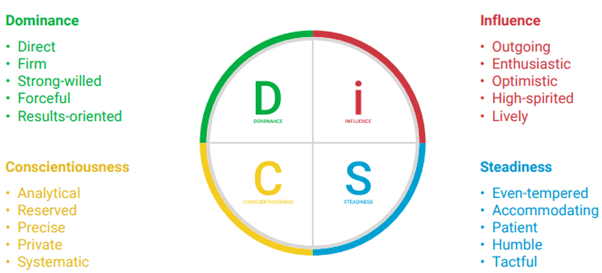
Everything DiSC calls the Si style a “connector”. A convergence of the Steadiness and Influence behavior groups, Si types have a natural talent for teamwork, relationship-building, and creating a positive work environment. Since Si styles are the most comfortable at cooperating with others, being team players, nurturing relationships, and lifting morale, they can increase their value by becoming more comfortable with balance. In other words, they can develop workplace harmony by learning to be more assertive and open to change, too. Let’s explore how.
Si Style: Be Comfortable Expressing Disagreements – “My Voice Matters Too”
Si styles need to become more comfortable in expressing disagreements and knowing their voice and opinions matter too. To preserve interpersonal harmony, they are prone to staying quiet and internalizing frustration rather than creating any outward tension. By sharing their views and input they contribute to collaboration instead of silence. “I see it differently—can we explore this?” offers an Si meeting facilitator an opportunity to share without conflict. The challenge is breaking the pattern of passivity. Si types can practice expressing differences with a small group of trusted people. On the other hand, other people can create opportunities by actively asking for their opinions and suggestions.
Set Boundaries & Say No When Necessary: “I Don’t Have to Take on Everything”
Si styles can set boundaries and know they don’t have to take on everything for others in the workplace. By over-accommodating to ease others’ lives, they can easily be overextended and stressed. Saying no with an explanation when they are over-committed can prevent emotional and physical exhaustion and, allow them to serve where they are needed most. “I’m focused elsewhere—can we adjust?” is a great way for an Si person who is in the supporting role to decline an extra task and still maintain good will. Si types can start with polite refusals when the stakes are low. On the other hand, other people can respect their decisions to say no and offer to help when needed.
Accept That Some Conflict is Healthy: “Tough Talks Can Grow Us”
Si types can accept that some conflict is healthy and tough conversations can lead to growth and better results. By avoiding friction or waiting until the last moment to raise concerns, relationships and problem-solving efforts are not as effective as they could be. “Let’s work through this together” is a great way for an Si supervisor to address an employee’s performance gap or issue by turning a tense situation into progress. Si types need to practice how to deal with conflict positively. On the other hand, other people can help by normalizing healthy debates and not expecting Si styles to take all the tension.
Be Open to Change & New Challenges: “Not All Change is Bad”
Si styles can be more open to change and new challenges by remembering that not all change is bad and in fact some can lead to fun, exciting opportunities and even greater forms of stability. Since they have a hard time moving beyond the comfort of the status quo, transitions can be an uphill battle. However, by giving in and being flexible they can experience development and growth that they otherwise would miss. “I can help you adjust and see the benefits” could be an Si event coordinator’s response to a new registration process if they look at the new procedure as potentially good rather than stressful. Si types will have to put in the emotional work to become more adaptable. On the other hand, other people can try to gradually introduce changes with clear relational benefits and not just in areas Si types naturally excel in.
View Constructive Feedback as a Tool for Growth: “Criticism Helps Me Improve”
Si styles can view constructive feedback as a tool for growth by remembering that feedback is not a personal rejection but an opportunity to learn and improve. By being oversensitive to criticism, they are at risk of disengaging when they are told how they could do something better. “Thanks, I’ll adjust that” is one way an Si team player could positively respond to a peer review without internalizing the comments as a personal attack. Si types will have to change their patterns of behavior, which always takes time and effort. On the other hand, other people can help by delivering feedback in an encouraging and nurturing manner. “You’re doing well in general – here’s a tip to help you even more” is an excellent approach to make Si styles more open to change.
Everything DiSC Si Style: Balancing Kindness with Assertiveness
By finding a healthy balance between their kindness, assertiveness, and flexibility; Si styles can become even more valuable and respected in the workplace. Si types can use their relational strengths to truly unite a team of individuals. Everything DiSC points to self-awareness as the key to fitting these new skills into the Si toolkit.
Si types: Improving their workplace interactions
Si types can improve their workplace interactions by being more comfortable in expressing disagreements, setting boundaries, accepting healthy conflict, being open to change and new challenges, and viewing criticism as an opportunity for growth, all while applying the warmth in their nature for a greater impact. By becoming more assertive, Si types can broaden their effectiveness. On the other hand, other people can nurture them with the right support. In Part 8 of this series, let’s look at how Si styles collaborate with the other DiSC styles,