By far, middle managers have the greatest impact on talent pipelines of any managerial layer. Their practices around coaching, giving feedback, and helping employees develop professionally either facilitate growth and engagement or enable stagnation and quiet disengagement. Managers are responsible for approximately 70% of the variance in team engagement levels¹, making this a core responsibility one of the highest-leverage areas for CS-style middle managers looking to move the needle in their organizations.
So how can middle managers with a CS style in Everything DiSC®, that is, the intersection of Conscientiousness and Steadiness, become exceptional talent developers? Let’s explore their natural approach to talent development and growth conversations, typical challenges when coaching behaviorally diverse teams, and how Catalyst Worksmart can turn their innate strengths into coaching superpowers.

The CS Manager’s Natural Approach to Talent Development and Growth Conversations
CS leaders are naturally reliable; they plan carefully and tend to care deeply about their teammates’ well-being. They show up for development conversations with steady effort to help people meet their commitments, research their decisions before coaching others on course corrections, and prefer to create stable expectations that don’t surprise teammates.
In development conversations, their humility and people-focus result in supportive coaches who aren’t overly demanding and work hard to ensure teammates feel cared for. When established norms are violated, or expectations aren’t met, CS managers can struggle to provide stretch direction while maintaining harmony and keeping mistakes in perspective. Consider Kathy, a CS leader interviewed as she worked through her Catalyst results. She shared:
“I try not to micromanage. But I’ll stress about the work my team is doing until I see evidence that they are making quality progress. If they aren’t meeting expectations, I end up hovering.”
Tip: CS managers who struggle to balance empowerment with quality and stability should check out our recent blog post on risk awareness in CS leaders.
The CS Manager’s Natural Development Style Creates Typical Coaching Challenges
As we can see from Kathy’s example, CS managers’ desire to maintain stability and avoid unnecessary risk to themselves or others can make many types of talent development conversations uncomfortable. They may hesitate to engage in conversations that:
- Require assertiveness, such as candidly directing behaviors or pushing for accountability
- Create exposure, like emphasizing weaknesses, challenging long-held team beliefs, or risking disagreement with superiors
- Involve uncertainty or unpredictable outcomes, such as stretch assignments with ambiguous definitions of success
Because of their strong desire to minimize risk and protect themselves and others, CS managers may even avoid holding their teams fully accountable for performance issues or hesitate to impose on teammates by delegating menial tasks.
Again, considering behaviorally diverse teams, CS managers can find themselves pulled in many directions, trying to empower assertive teammates while asking cautious personalities to stretch beyond their comfort zones. While aggressive styles may become frustrated by their perceived lack of urgency or indirect communication style, the CS manager’s instincts to minimize exposure may make it difficult for them to either recognize achievement or candidly address performance issues.
Catalyst Worksmart Gives CS Managers Style-Specific Tools to Develop Talent
Wiley’s Everything Disc Catalyst Worksmart offers practical tools and frameworks specifically designed to help CS-style managers overcome their natural developmental tendencies. Each of the five core modules includes style-specific insights and strategies to enhance the effectiveness of a CS manager’s natural talent development style without negating their strengths.
Here’s a breakdown of each module’s primary focus:
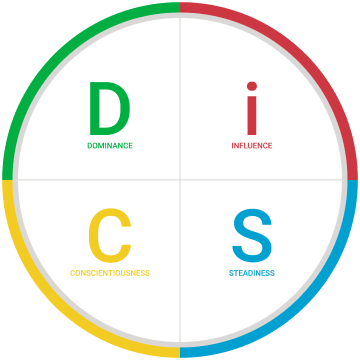
- Giving Feedback: CS managers can be indirect and tentative when holding teammates accountable. This module helps them clearly understand their natural feedback style and practice giving feedback that is specific, actionable, balanced, and encouraging to all DiSC styles.
- Managing Conflict: CS managers may avoid the discomfort of conflict at all costs. This module surfaces their natural conflict response and provides step-by-step guidance for working through disagreements with all styles.
- Empowering Your Team: Delegating too little can make CS managers inadvertent micromanagers. This module helps them recognize their tendencies toward empowerment and create customized empowerment plans that align with how each teammate prefers to receive support.
- Help Your Team Navigate Change: CS managers may struggle to coach teammates through change. This module will help them understand how change affects each DiSC style and provide support tailored to each style’s unique needs.
- Motivating Your Team: CS managers may struggle to generate enough energy to really light a team on fire. This module will help them see what drains and energizes every DiSC style. They can then adjust their approach to reduce stressors and utilize everyday motivators to meet their team where they live.
Want to see real examples of how CS-style managers can use these modules to start developing talent like pros? Check out our webinars on using Catalyst to coach on feedback, managing conflict with introverts, and empowering teams.
CS managers have many of the natural strengths required to build outstanding talent pipelines. By leveraging the practical tools found in Catalyst Worksmart, they can learn to provide candid direction, thoughtfully empower their teams, ensure teammates feel supported during times of change, and light each team member under their care.
Practical Steps for CS Managers to Become Talent Development Experts
If this sounds like you, here are some ways to start developing your talent like a CS-style pro today.
- Review the feedback, empowerment, and motivation modules from Catalyst Worksmart before your next series of one-on-ones or performance development conversations.
- Grab your team comparison reports from Catalyst Worksmart and identify your teammates’ preferred coaching and development styles. Next, create 1 personalized development plan for each of your direct reports.
- Choose 1 limiting assumption you’d like to release each quarter (i.e. “Direct feedback will make my team unhappy with me” or “My team will do poor work if I don’t maintain control”) and test a hypothesis by doing the opposite for 1 team member (e.g. hold 1 candid, yet balanced, conversation or delegate 1 highly visible stretch assignment).
- Schedule regular coaching check-ins with your team that are equally focused on growth metrics and honest support or recognition.
- After every performance milestone with a team member, pause to celebrate how the process went for each person’s style.
CS-style leaders have the perfect blend of conscientiousness and steadiness to impact their organization’s talent pipelines positively. Combine those strengths with a personalized Catalyst Worksmart subscription and watch your teams develop into engaged, high-performing talent.
¹Society for Human Resource Management. (2016). Employee engagement: SHRM explores link between employee engagement, leadership.