As middle managers, you work at ground level where strategy meets the daily hustle. You are tasked with ensuring operations run smoothly, using limited resources effectively, solving problems on the fly, coordinating projects across teams, and leading those teams through ambiguity and change. Regardless of organizational type and culture, middle managers who excel at this know their plans aren’t just executed once but consistently deliver results. Others lose steam slowly and silently due to the everyday friction that accompanies business as usual and the shifts that occur along the way.
If you are a CS style in Everything DiSC® (your DiSC Style is based on a combination of Conscientiousness and Steadiness) manager, this level of responsibility both complements your natural tendencies of being reliable, thorough, and focused on stability and unveils a few common challenges.
Your desire to maintain predictable routines, plan carefully, and avoid surprises serves you well when creating repeatable processes, using resources wisely, and double-checking for quality. However, it can also unintentionally slow you down in moments that require agility or hold you back from making bold decisions when leading teams with diverse behaviors. Luckily, once you consciously apply style-specific tools from Wiley’s Everything DiSC® Catalyst Worksmart, you can leverage your steady nature to become a much more empowering leader at the operational level.

CS Managers and Ground Level Execution – The CS manager’s unique approach
CS leaders are naturals at building dependable operations. They thrive on developing repeatable, easily measured processes, using resources (including human capital) conservatively to limit waste, and implementing safeguards to ensure things run smoothly. Their exceptional follow-through and eye for detail drive steady progress, while their penchant for avoiding disharmony enables them to coordinate cross-departmental efforts with minimal conflict. Plus, they value stability so they create a rhythm for their operations that feels predictable and consistent which allows others to simply execute.
Teams that operate under strong CS managers tend to see this consistency play out in realistic resource budgets, comprehensive problem-solving, and calm environments that help people maintain performance through routine work and incremental change.
Common pitfalls for CS managers
However, the behaviors that contribute to that reliability can cause unnecessary drag when the ground level requires speed or adaptation. CS styles have a low tolerance for threat, which can create hesitation when operations need to pivot quickly, significant resources need to be reallocated, or there is some moderate risk involved.
You might find yourself collecting too much information before making a decision, falling back on “the way things have always been done,” or avoiding initiatives that push your team out of their comfort zone to prevent mistakes or feeling uncomfortable. Additionally, your instinct to internalize pressure and avoid conflict can lead you to undercommunicate urgency or delay making the tough calls that disrupt your operational flow.
This isn’t compounded when working with teams of similar styles, but when you lead behaviorally diverse teams, it can create growing challenges. Pushier styles may view your careful pace as resistance, and your natural tendency to keep a low-profile can sometimes leave coworkers wondering how to rally your support. In summary, your natural skills allow you to build highly reliable operations at ground level, but you may struggle to lead them with agility, empowerment, and sustained energy.
Turn insights into superpowers with Worksmart
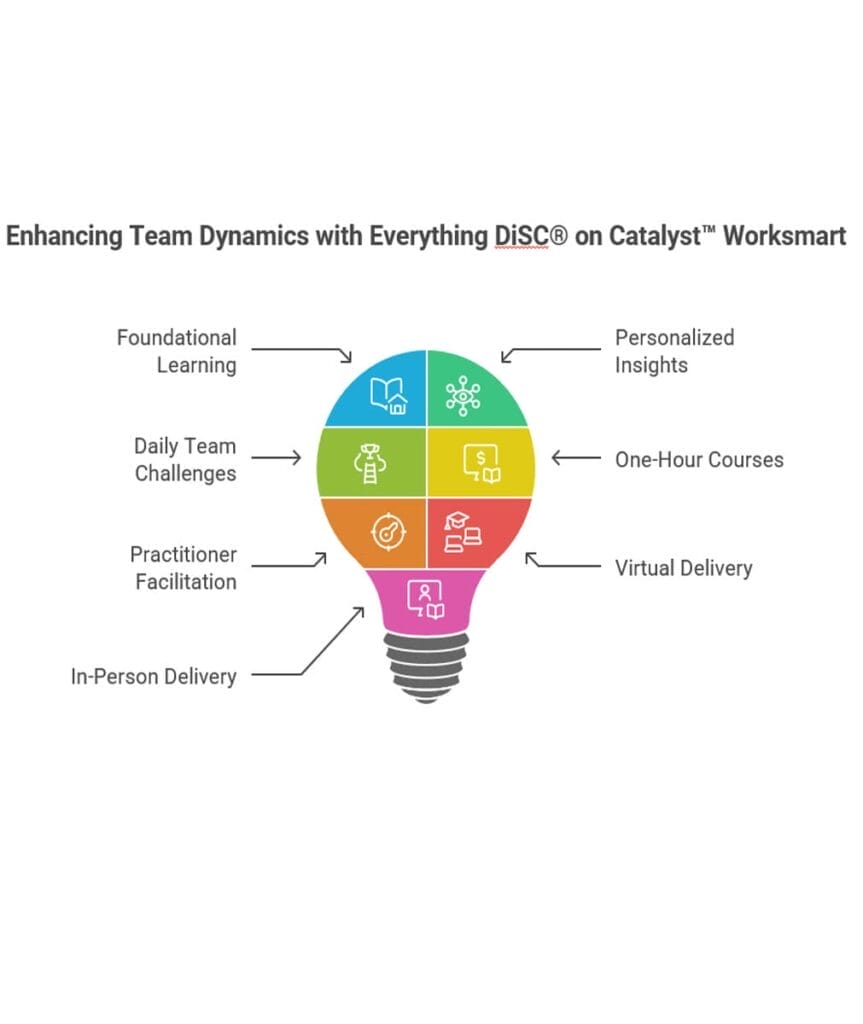
Everything DiSC® Catalyst Worksmart offers practical tools to help you lead at the ground level without losing sight of what makes you incredible in your role. While all five modules will benefit CS managers, these four will have the most immediate impact on your ability to empower others during operations and change.
1. Giving Constructive Feedback: Operations require timely interventions when someone veers off course. The Feedback module will help you learn to deliver feedback that is both thoughtful and clear-headed. You’ll understand your preference for harmony and recognize the four elements of strong feedback (specific, actionable, balanced, and encouraging). You will then practice how to adjust your delivery to each of your teammates’ DiSC styles. The end result? Operational feedback that keeps projects back on track without losing momentum or damaging team morale.
2. Managing Conflict: Conflict is inevitable during resource allocation and when setting operational priorities. In the Conflict module, you will identify your natural tendency to avoid unnecessary conflict and develop a custom action plan to help you navigate disagreements with all DiSC styles. You won’t just skirt around the issues with coworkers–you will learn how to surface them early and guide conflict toward actionable solutions that lead to quicker, more collaborative operational decisions.
3. Empowering Your Team: The true capacity of your operations lies in shared ownership. In Catalyst’s Empowerment module, you will discover your default approach (usually cautious delegation to maintain quality and harmony) and receive a team comparison report that highlights how each of your teammates prefers to receive autonomy and support. Armed with this knowledge, you can develop an individualized plan to delegate operational tasks and resources more effectively to your team, eliminating bottlenecks without sacrificing the predictability you crave.
4. Helping Your Team Navigate Change: Whether it’s a new way of working, a shift in resources, or pushing your team toward innovation, change is something you will constantly navigate at ground level. This module will show you how to leverage your risk awareness by deepening your knowledge of how every DiSC style experiences change. You will learn how to provide tailored support to help your teammates embrace change while balancing your natural desire for stability.
5. Motivating Your Team: Long projects, repetitive operations, and change initiatives can all take a toll on energy if not managed well. The Motivation module lets you see which factors drain and energize each DiSC style, so you can consciously create an environment that keeps your teammates engaged. You’ll identify tactics to recognize even the small wins, connect day-to-day operations to the larger picture, celebrate like *you mean it,* and eliminate common demotivators. The end result is a team that executes with drive rather than mere compliance.
Try these next steps
- Complete Catalyst Worksmart’s empowerment, helping your team navigate change, and motivation modules before your team’s next big operational planning meeting or change effort.
- Review your team comparison report to identify each teammate’s preferred level of autonomy and support, then make one adjustment to a resource budget or project role based on your findings.
- Identify one limiting belief each quarter (“I need to have all the answers before delegating” or “If I push too hard for change it will create disharmony”) and conduct a small experiment (delegate an entire workstream or acknowledge someone’s process improvement in a team meeting).
- Schedule short, intentional operational huddles that allow you to discuss metrics and problem solve *and* recognize or encourage your team.
- After each major project milestone or change initiative is implemented, pause long enough to gather feedback from your team. What worked operationally? What would make future execution better?
CS style middle managers have what it takes to thrive at the operational level. Their natural tendency to be reliable, thorough, and steady is a fantastic foundation, but when they supplement that with style-specific tools from Catalyst Worksmart, CS styles become exacting leaders who empower their teams to execute with efficiency, agility, and *real* motivation.
This is the final article in our CS-style series where we explore how managers with every Everything Disc style can become better middle managers. Stay tuned as we begin the series with the next DiSC style.
What operational or change management challenges are you facing right now? Which Worksmart module could have the biggest impact? What DiSC style would you like to see addressed first?