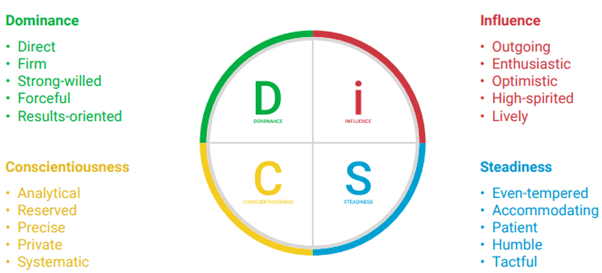
The Everything DiSC SC style represents a unique fusion of Steadiness and Conscientiousness in the Everything DiSC model. It embodies a careful, diligent demeanor, and collaboration with an SC style brings the gifts of a well-balanced team: the dependable, detail-oriented nature of an SC style creates a sturdy, exacting foundation, ensuring dependable, quality results.
Because of their great care and reliability, there are also natural challenges that an SC style might find: being too cautious or risk-averse, struggling with quick decisions, avoiding conflict rather than confronting it, getting overly stuck in a routine, and getting lost in over-analysis. It’s not their intention to be rigid, to move slowly, or to complicate things—these challenges are a byproduct of the psychological and physical need to feel in control of their space by ensuring that it’s safe (absent of perceived threats).
It’s why SC types are so trusted in systematized areas like documentation or machine upkeep. In different areas of their life (or with different team members), these safety needs can trigger rejection (again, as a need for self-preservation) when change is needed. Let’s talk about these common weaknesses that SC types might struggle with to find areas to improve while maintaining their rock-solid presence.
Being Too Cautious or Risk-Averse: “Change Feels Unsafe”
One common challenge for SC types is their tendency to be overly cautious or risk-averse, particularly when it comes to change. SC types value a secure and predictable environment and may resist new processes or ideas, even when they offer improvements because their “newness” seems to threaten that stability.
This may look like an SC coordinator dragging their feet in implementing a new tool to automate scheduling tasks because they don’t know it well enough and fear it may introduce errors. This risk-aversion ensures a safe space but can impede innovation and adaptation. SC types can challenge themselves to pilot small changes to test the waters, and colleagues can frame changes with clear benefits to help them make the leap toward positive changes.
Struggling to Make Quick Decisions: “I Need Time to Process”
Making quick decisions is not an SC type’s favorite activity. Although SC types don’t mind taking their time to weigh the options and make informed choices, many real-life situations require more speed. An SC type’s desire for certainty and avoidance of mistakes might cause them to overanalyze a decision when there’s no time to lose. This can look like an SC analyst hesitating or overthinking when a sudden request or need comes up, thus missing an opportunity or deadline.
It isn’t that SC types don’t want to act or change, but that their psychological need for certainty stalls them before they are comfortable. SC types can work to develop a short decision-making process, like quickly assessing the most important factors, and colleagues can support them with clear data so that decisions can be made confidently and swiftly.
Avoiding Conflict Instead of Addressing It: “I Prefer Peace”
SC types also might avoid conflict, sometimes at the expense of addressing issues directly. They may struggle with saying “no” or enforcing their boundaries if it disrupts the peace. An SC type’s preference for harmony over discord can make them passive in situations where confrontation is necessary. This can look like an SC team member not voicing their objections or concerns in a group meeting, choosing to keep the peace rather than risk upsetting others. Their instinct to avoid conflict builds trust and loyalty, but it can also lead to indecision. SC types can practice voicing neutral or vague statements (like “Can we talk about this in a non-confrontational way?”) and colleagues can ensure their teammates feel safe when addressing problems so that they can open up instead of holding back.
Getting Overly Stuck in a Routine: “New Approaches Feel Disruptive”
SC types can also get stuck in a routine, finding it difficult to adjust to new procedures or to shake up their way of doing things. Their comfort with the status quo, including relationships, is a source of security for them, but it can also mean they struggle to embrace innovation and change. This can look like an SC planner refusing to adopt a new system for mapping out sprints and sticking to the tried-and-true, even if it’s less efficient. While this resistance to change ensures a predictable and consistent workflow, it can also prevent them from growing or adapting. SC types can work to try new innovations alongside a buddy to help them get through this inertia, while colleagues can ease updates into their work to make change more digestible for them.
Overanalyzing & Getting Lost in the Details: “Perfection Holds Me Back”
Finally, SC types can be perfectionists to a fault, overanalyzing and getting lost in the details. They may struggle to move on from a task until they are completely satisfied with the results. This tendency can look like an SC reviewer who spends too much time on small edits, unable to see the forest for the trees. This perfectionism ensures a high standard of work, but it can also slow down progress. SC types can work on recognizing when something is “good enough” and moving on, while colleagues can reassure them that progress is being made, even if everything isn’t perfect.
Valuing Accuracy with Potential Pain Points
SC styles are not rigid or hesitant by design—their perceived weaknesses are an extension of how deeply they care about being accurate, stable, and avoiding risks. This stems from their psychological and physical need to establish (and stay in) a controlled environment absent of threats (real or imagined). This carefulness (both emotional and physical) is what makes them so reliable. But this need can lead to them rejecting what they don’t understand or things that need to change (as a need to preserve themselves). By being aware of these possible pain points (these actions are not intentional!), SC types can work to balance flexibility and adaptability into their strengths.
SC Personality types are cautious
SC types can be challenged with being too cautious or risk-averse, struggling with making quick decisions, avoiding conflict instead of confronting it, getting stuck in a routine, or getting lost in over-analysis. These are areas that SC types might want to consider growth to help them have the best impact, or team members can help coach them to ensure that their gifts are used as much as possible. SC types will learn how to best have a positive impact on workplace interactions in Part 6 of this series.