Middle managers operate at the ground level where strategy becomes daily reality. They oversee operational efficiency, allocate limited resources wisely, solve problems in real time, coordinate cross-functional projects, and guide teams through uncertainty and innovation. In every organization type and culture, excellence here determines whether plans deliver consistent results or quietly lose momentum amid daily friction and change.
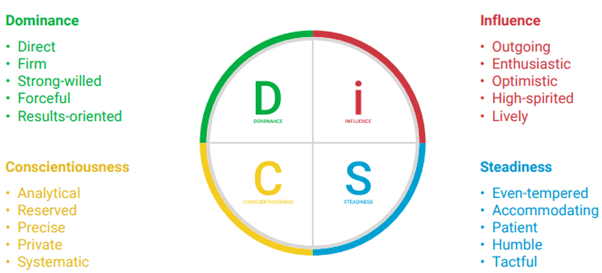
For managers with a CD style in Everything DiSC®, the blend of Conscientiousness and Dominance, this responsibility aligns closely with their natural analytical depth, high standards, and drive for control while revealing a few consistent hurdles. Their skepticism and commitment to competence equip them to anticipate risks and maintain quality under pressure, yet the same traits can sometimes slow agility or limit team ownership. By intentionally using the style-specific tools in Wiley’s Everything DiSC Catalyst Worksmart, CD managers can transform their realism and precision into operational leadership that is both rigorous and empowering.
The CD Manager’s Unique Approach to Operations, Resources, and Change
CD-style leaders bring exceptional analytical rigor and logical planning to daily operations. They excel at breaking complex work into clear, measurable steps, spotting inefficiencies early, and building robust contingency plans. Their skepticism functions as a practical risk radar, helping them allocate resources conservatively, challenge assumptions in project plans, and avoid costly surprises. High personal standards drive a focus on accuracy and quality that raises the bar for everyone, while their persistence through discomfort enables them to stay with tough operational problems longer than most.
This combination creates steady, defensible execution. Teams led by strong CD managers often benefit from clear priorities, well-managed resources, and realistic roadmaps that withstand real-world variables. When change arrives, their critical thinking helps them cut through hype and focus on what will actually work on the ground.
Where CD Strengths Create Operational Challenges
The very strengths that produce reliability can also create friction. A high need for control and self-sufficiency sometimes leads to over-involvement in details or reluctance to delegate fully, limiting operational speed and team development. Skepticism paired with a preference for certainty can result in over-analysis, making managers slower to act on moderate risks or emerging opportunities. The natural focus on problems and next objectives may cause them to move quickly past wins without celebration, leaving teams feeling drained during long operational pushes or periods of change.
Direct, fact-based communication is efficient but can occasionally feel blunt or guarded, reducing the psychological safety people need when adapting to new processes or resource constraints. In short, CD managers often build highly disciplined operations but may struggle to infuse them with the flexibility, empowerment, and sustained energy required for agile execution at scale.
Catalyst Worksmart: Turning Insight into Operational Superpowers
Wiley’s Everything DiSC Catalyst Worksmart provides CD managers with precise, personalized guidance to strengthen ground-level leadership without sacrificing their core strengths. The five core modules deliver practical frameworks that help them balance control with agility, realism with momentum, and precision with empowerment.
1. Giving Constructive Feedback
Operational excellence depends on timely, specific corrections. This module helps CD leaders deliver feedback that remains direct yet becomes more balanced and encouraging. Managers explore their style-specific focus on accuracy and learn the four elements of strong feedback—specific, actionable, balanced, and encouraging—then practice flexing delivery for each teammate’s DiSC style. The result is clearer operational guidance that corrects course while preserving motivation and ownership.
2. Managing Conflict
Resource allocation and operational priorities frequently spark tension. The conflict module lets CD managers examine their logical, “airtight-case” instincts and build custom action plans for resolving disagreements with different styles. Instead of defaulting to debate, they practice surfacing issues early, staying open to valid counterpoints, and guiding conversations toward practical solutions—turning friction into faster, more collaborative operational decisions.
3. Empowering Your Team
True operational capacity comes from shared ownership. Catalyst’s empowerment module reveals a CD manager’s default approach and provides team comparison reports showing how each person prefers to receive autonomy and support. Using these insights, managers create individualized plans that delegate operational tasks and resource decisions more effectively—reducing bottlenecks while maintaining the quality and accountability they value.
4. Helping Your Team Navigate Change
Change is constant at the ground level, whether it involves new processes, resource shifts, or innovation initiatives. This module deepens understanding of how different DiSC styles experience transitions and equips CD leaders with tailored support strategies. They learn to balance their natural realism with the clarity, reassurance, and optimism other styles need, turning their critical perspective into a stabilizing force that keeps teams aligned and productive through uncertainty.
5. Motivating Your Team
Sustained operational performance requires energy and commitment. The motivation module maps what energizes and drains each style, helping CD managers intentionally create environments where people stay inspired during long projects or change efforts. They discover practical ways to recognize progress, connect daily operations to larger purpose, celebrate milestones authentically, and reduce demotivators—ensuring teams execute with genuine drive rather than mere compliance.
Practical Next Steps for CD-Style Leaders
- Complete the empowerment, change-navigation, and motivation modules in Catalyst Worksmart before your next major operational planning cycle or change initiative.
- Review team comparison reports to map each person’s preferred level of autonomy and support, then adjust one resource allocation or project role accordingly.
- Challenge one limiting pattern each quarter (for example, “I must retain full control to ensure quality” or “Optimism risks looking unrealistic”) and test a small experiment—such as delegating a full operational workstream or publicly recognizing a process improvement.
- Schedule brief, structured operational check-ins that allocate equal time to metrics and problem-solving *and* recognition or encouragement.
- After every major project milestone or change implementation, deliberately pause to gather team input on what worked operationally and what would improve future execution.
CD-style middle managers already possess the analytical precision, risk awareness, and commitment to excellence that organizations need for strong ground-level operations. When they pair those natural gifts with the practical, style-aware tools in Catalyst Worksmart, they move from being rigorous but sometimes overly controlled leaders to confident orchestrators of efficient, adaptable, and highly motivated execution.
This is the fifth and final article in the CD-style series exploring how each Everything DiSC style can become a more effective middle manager. Next, we’ll begin the series on the CS style and examine how each of the twelve styles approaches these same five core responsibilities.
Which Worksmart module feels most relevant to your current operational or change-leadership challenges? Or which DiSC style would you like to see covered first in the next phase of the series? Share in the comments.