Middle managers are the primary architects of day-to-day culture. More than executives or individual contributors, they shape the environment where people spend most of their working hours, modeling values, setting behavioral norms, recognizing excellence, holding others accountable, and creating the sense that people are cared for as whole individuals. Strong culture at this level drives engagement, retention, collaboration, and performance. Weak culture here quietly erodes everything else.
For managers with a CD style in Everything DiSC®, the blend of Conscientiousness and Dominance—this responsibility plays directly to their natural commitment to high standards and accountability while surfacing predictable hurdles around warmth, recognition, and psychological safety. Their drive for competence, control, and credibility equips them to build cultures of excellence and fairness, yet the same traits can unintentionally create distance or drain energy. By applying the personalized tools in Wiley’s Everything DiSC Catalyst Worksmart, CD managers can transform their realism and directness into the foundation for highly engaged, accountable, and connected teams.
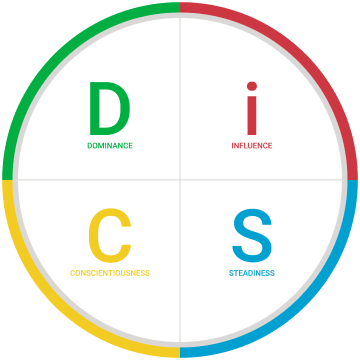
The CD Manager’s Unique Approach to Culture and Engagement
CD-style leaders naturally emphasize precision, logic, and high standards. They set clear expectations, insist on quality work, and hold people accountable with candor that prevents problems from being ignored or swept aside. Their skepticism acts as a safeguard against complacency, pushing teams toward continuous improvement and realistic outcomes. Because they value competence and self-sufficiency, they model disciplined effort and expect the same from others, creating an environment where excellence feels like the norm rather than the exception.
This combination fosters cultures where accountability is strong, fairness is logical, and mediocrity is not tolerated. Teams led by effective CD managers often develop sharper critical-thinking skills and a shared pride in delivering high-quality results.
Where CD Strengths Create Culture and Engagement Challenges
The same strengths can limit the relational side of culture. A preference for control and self-sufficiency sometimes leads to guardedness, making it harder to show vulnerability, offer genuine praise, or engage in the kind of encouragement that helps people feel truly seen and valued. Skepticism and a focus on problems can cause CD managers to move quickly from one victory to the next objective, leaving team members feeling that “it’s never enough” or that wins are rarely celebrated.
Direct communication, while efficient, can occasionally land as blunt, especially when paired with skeptical non-verbal cues such as a brief sigh or focused expression. These signals may unintentionally reduce psychological safety, making people hesitate to share ideas, admit mistakes, or bring forward concerns. The high internal standards and “should” mindset can also make accountability feel disproportionately judgmental rather than developmental, eroding engagement and trust over time. In short, CD managers often excel at building cultures of rigor and results but may struggle to infuse them with the warmth, recognition, and belonging that sustain long-term motivation and loyalty.

Catalyst Worksmart: Turning Insight into Culture-Building Superpowers
Wiley’s Everything DiSC Catalyst Worksmart delivers exactly the style-specific guidance CD managers need to strengthen culture without abandoning their core strengths. The five core modules provide practical frameworks that help them add warmth, recognition, and relational trust while preserving the accountability and excellence they naturally champion.
Giving Constructive Feedback
This module helps CD leaders deliver accountability in ways that build rather than erode engagement. Managers explore their tendency to focus on accuracy and correction, then master the four elements of strong feedback—specific, actionable, balanced, and encouraging—and learn how to flex each element for different DiSC styles. The result is feedback that holds people to high standards while making them feel supported and capable, strengthening both accountability and relational trust.
Managing Conflict
Culture suffers when unresolved tension festers. The conflict module lets CD managers examine their logical, “airtight-case” instincts and create custom action plans for working through disagreements with varying styles. Instead of defaulting to debate, they practice surfacing issues early, staying open to counterpoints, and guiding conversations toward mutual respect and shared solutions, turning potential friction into opportunities that reinforce a culture of openness and fairness.
Empowering Your Team
Empowerment is a powerful culture-builder because it signals trust and ownership. Catalyst’s empowerment module reveals a CD manager’s default approach and provides team comparison reports that show how each person prefers to receive autonomy and support. Using these insights, managers build individualized plans that increase delegation while maintaining clear standards—creating a culture where people feel both challenged and trusted.
Helping Your Team Navigate Change
Change is constant, and how leaders communicate during uncertainty shapes culture more than almost anything else. This module deepens understanding of how different DiSC styles experience transitions and equips CD managers with tailored support strategies. They learn to balance their natural realism with the clarity, reassurance, and optimism other styles need, maintaining stability and engagement even when the organization is shifting.
Motivating Your Team
Engagement and motivation are at the heart of strong culture. The motivation module maps what energizes and drains each style, helping CD leaders intentionally create environments where people feel inspired. They discover practical ways to recognize progress, connect daily work to purpose, celebrate wins authentically, and reduce demotivators—countering any tendency to focus only on the next challenge and building a culture where excellence and appreciation coexist.
Practical Next Steps for the CD-Style Leader
- Complete the feedback, motivation, and empowerment modules in Catalyst Worksmart before your next team offsite or performance conversations.
- Review team comparison reports to identify each person’s preferred recognition and support style and incorporate one small adjustment into your regular interactions.
- Challenge one limiting pattern each quarter (for example, “Praise feels unprofessional” or “I must stay guarded to maintain credibility”) and test a deliberate experiment—such as publicly celebrating a win or sharing a brief personal context in a meeting.
- Schedule brief, structured check-ins that allocate equal time to accountability metrics and genuine recognition or encouragement.
- After every major team milestone or change initiative, deliberately pause to gather input on how the culture feels and what would strengthen connection and engagement.
CD-style middle managers already possess the high standards, logical fairness, and commitment to excellence that organizations need to build strong, results-oriented cultures. When they pair those natural gifts with the practical, style-aware tools in Catalyst Worksmart, they move from being rigorous but sometimes distant leaders to confident builders of engaged, accountable, and deeply connected teams.